Diagnostic
Reverse osmosis removes up to 99% of dissolved contaminants from your drinking water. Here is what goes into a professional RO installation in an LA home.
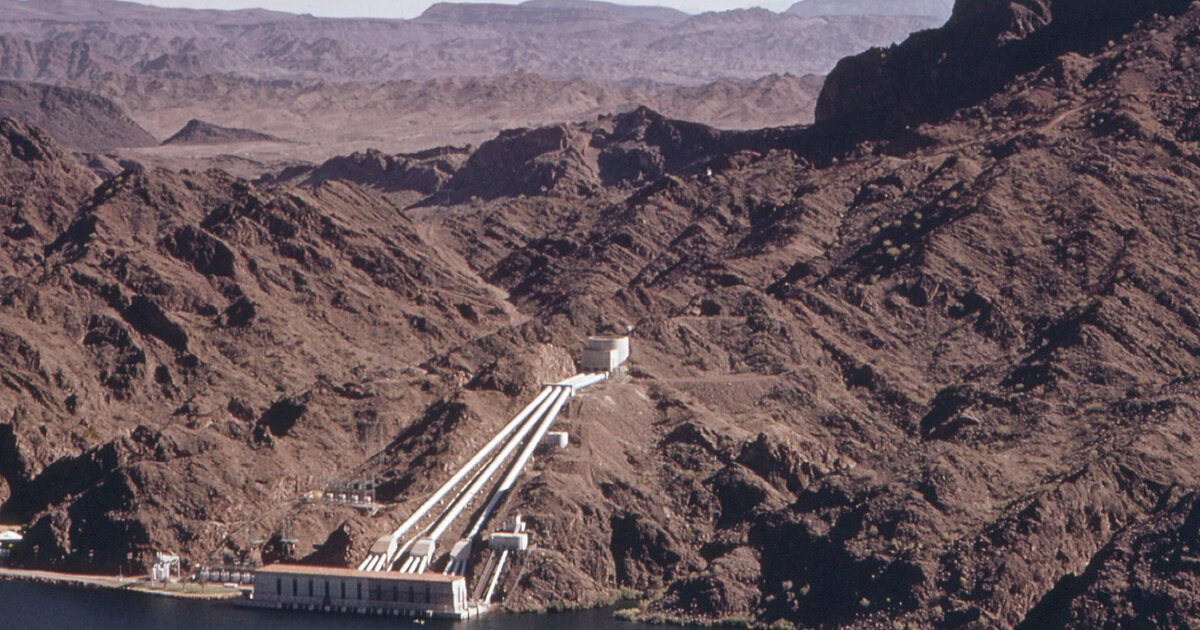
Los Angeles tap water is treated and generally safe to drink, but "safe" and "pure" are not the same thing. MWD water regularly contains chloramines (which cannot be removed by simple carbon filtration alone), low levels of arsenic from Colorado River water, fluoride, nitrates, and trace PFAS compounds. Total dissolved solids (TDS) in LA water typically range from 300 to 600 mg/L, giving the water a noticeably flat or slightly chemical taste compared to low-TDS spring water.
Reverse osmosis addresses all of these simultaneously. The semi-permeable RO membrane filters at 0.0001 microns, 750,000 times smaller than a human hair, removing dissolved minerals, heavy metals, chloramines, fluoride, arsenic, nitrates, and most organic compounds at rates of 95-99%. The result is water that tastes clean and contains virtually none of the contaminants present in the source supply.
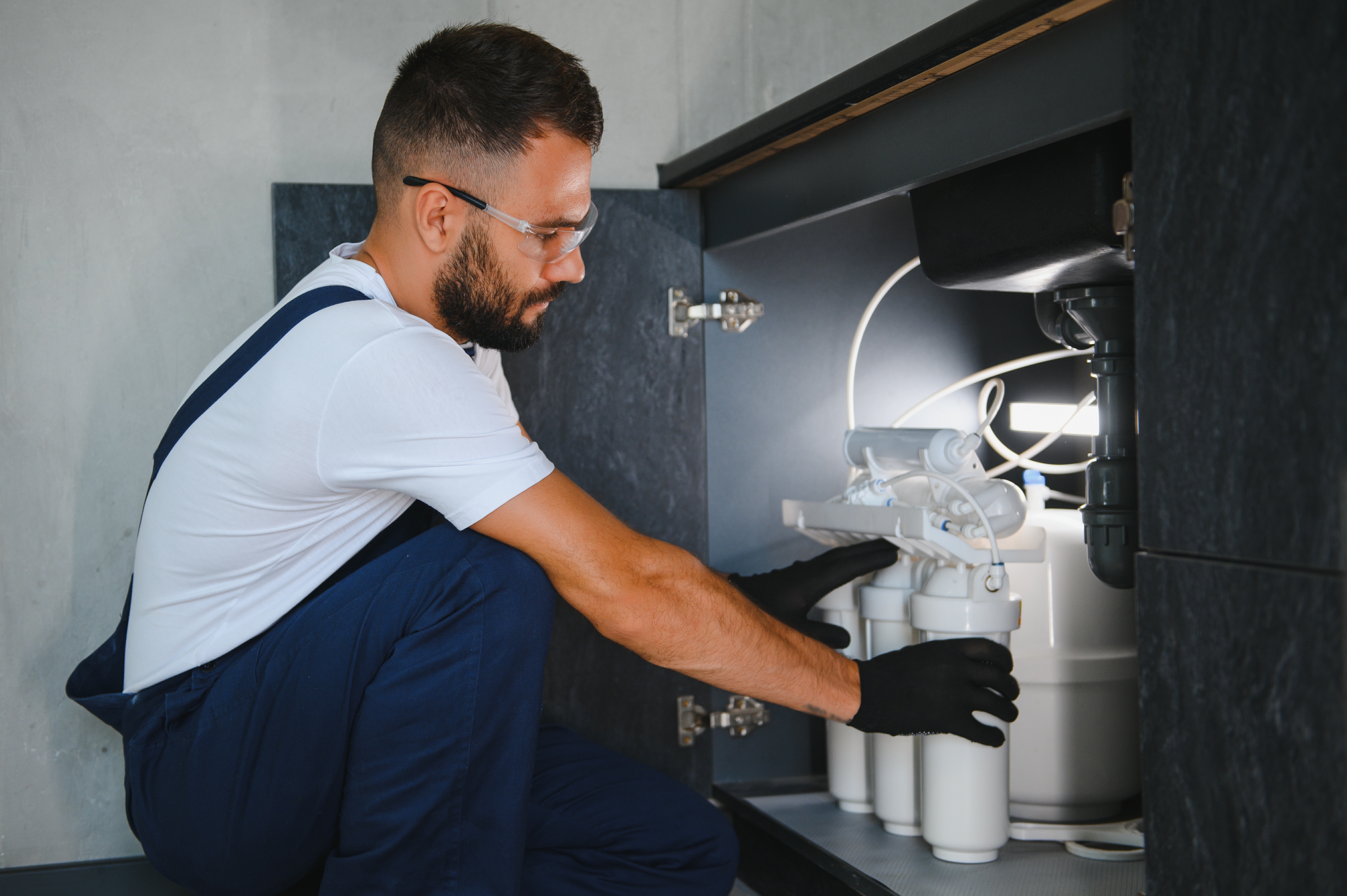
The large majority of residential RO systems are installed under the kitchen sink, treating water at a single dedicated tap (and optionally feeding the refrigerator ice maker). This is the most common and practical configuration for most LA homes. A separate dedicated faucet mounts on the sink deck or countertop, delivering purified water for drinking and cooking.
Whole-house RO systems treat all water entering the home. They are significantly larger installations, typically used in situations where the source water has severe contamination issues, or where the homeowner prefers purified water at every tap. They are less common in municipal water scenarios like Los Angeles, where the source water is already treated before delivery.
Storage tank vs. tankless: Traditional RO systems store purified water in a pressurized tank under the sink, dispensing from the reservoir on demand. Tankless (on-demand) systems use a booster pump to produce water in real time, faster, space-efficient, and without the biofilm risk that can develop in older storage tanks. New installations today typically use tankless systems.
Refrigerator connection: Many LA homeowners want RO water feeding their refrigerator's ice maker and water dispenser. This requires running a supply line from the under-sink installation to the refrigerator, which may involve routing through cabinetry. It is straightforward when planned during the initial installation but more involved as a retrofit.
Existing plumbing configuration: Under-sink space in LA kitchens varies considerably, older homes may have smaller cabinet dimensions or awkward plumbing runs that affect installation layout. The drain connection point for the RO waste stream also needs to be within reach of the existing drain plumbing.
Water pressure: RO membranes require a minimum water pressure to function efficiently, typically 40-80 PSI. LA municipal pressure is generally adequate, but homes at the end of a long distribution run, or in multi-unit buildings, may have lower pressure requiring a booster pump to maintain proper membrane performance.
Remineralization: Purified RO water has very low TDS and a slightly acidic pH. Some homeowners prefer to add a remineralization stage, a final filter that adds back calcium, magnesium, and potassium in beneficial concentrations. This improves taste, restores alkalinity, and is particularly valued by households accustomed to mineral water or alkaline water products.
An RO system requires periodic filter replacement to maintain performance. Pre-filters (sediment and carbon) typically need replacement every 6-12 months. The RO membrane itself lasts 2-4 years under normal conditions. Post-carbon polishing filters are replaced annually. Water₂O provides a filter replacement schedule with every installation, and offers ongoing maintenance services so you never have to track it yourself.
The most tangible financial impact of an under-sink RO system for most LA families is the elimination of bottled water. A family of four spending on bottled water for drinking and cooking can eliminate that ongoing expense entirely once the system is installed. The per-gallon production cost of an RO system is a small fraction of bottled water, without the plastic waste or the inconvenience of carrying cases home from the store.
Water₂O tests your home's water on-site before recommending any system, including measuring the specific contaminants present in your zip code's water supply. Schedule a free water test and in-home consultation anywhere in Los Angeles, Ventura, Orange, or Riverside County.
Water₂O offers free, no-obligation water testing throughout Los Angeles, Ventura, Orange, and Riverside Counties.
Schedule a Free Water Test