Diagnostic
Thinking about a water softener in Los Angeles? Learn what factors determine the scope of installation, home size, water hardness, flow rate, and more, before you get a quote.
Los Angeles tap water consistently ranks among the hardest in the United States. The Metropolitan Water District reports average hardness levels between 200 and 400 mg/L across the LA basin, two to four times the threshold for "hard" water. At those concentrations, scale builds up inside pipes, shortens appliance life, and leaves your skin and hair feeling stripped after every shower.
A water softener removes those calcium and magnesium ions through ion exchange, replacing them with sodium or potassium. The result is water that lathers easily, rinses clean, and stops attacking your plumbing and appliances from the inside.
No two homes are identical, and neither are their water softener installations. Several factors shape what the right system looks like for your home:
Home size and water usage: A larger home with more bathrooms, more occupants, and higher daily water demand requires a higher-capacity system. Undersizing a softener causes it to regenerate too frequently, shortening its lifespan and wasting salt. Oversizing wastes water during regeneration cycles. Proper sizing is one of the most important steps in the installation process.
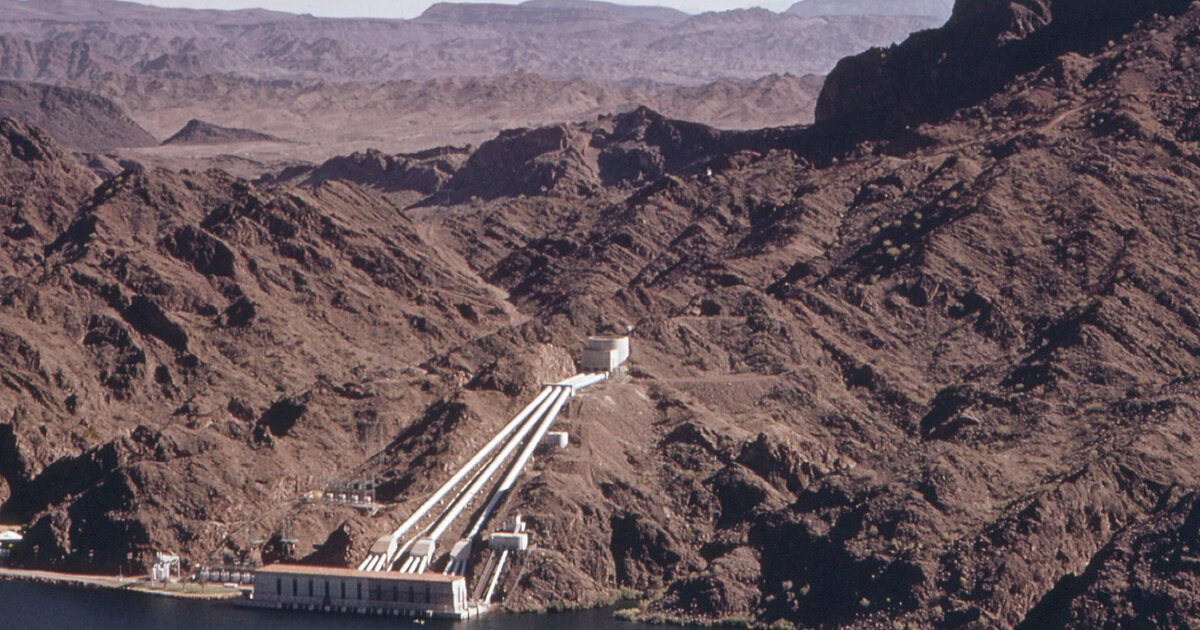
Water hardness level: Los Angeles hardness varies by neighborhood and by season, as MWD blends Colorado River water with State Water Project sources at different ratios throughout the year. Your water may be significantly harder in summer than in winter. A technician will test your actual hardness level, not just rely on MWD averages, to size the system correctly.
Flow rate requirements: Peak demand matters, the system needs to deliver adequate softened water when multiple showers, appliances, and fixtures are running simultaneously. Homes with high-flow shower systems, large soaker tubs, or multiple concurrent water-using appliances may need a higher flow rate specification.
Installation location and plumbing access: The softener needs to be installed where it can intercept the main water supply before it branches to fixtures, while still allowing the outdoor hose bibs to remain unsoftened (watering plants with softened water is not recommended). Garage installations are common in LA. Homes with complex plumbing layouts or difficult access may require more time.
Salt or salt-free: Traditional salt-based softeners use ion exchange, the most effective approach for true hardness removal. Salt-free conditioners alter the crystalline structure of minerals so they do not adhere to surfaces, but do not actually remove them. Each has distinct advantages depending on your home's water chemistry, local discharge regulations, and preferences.
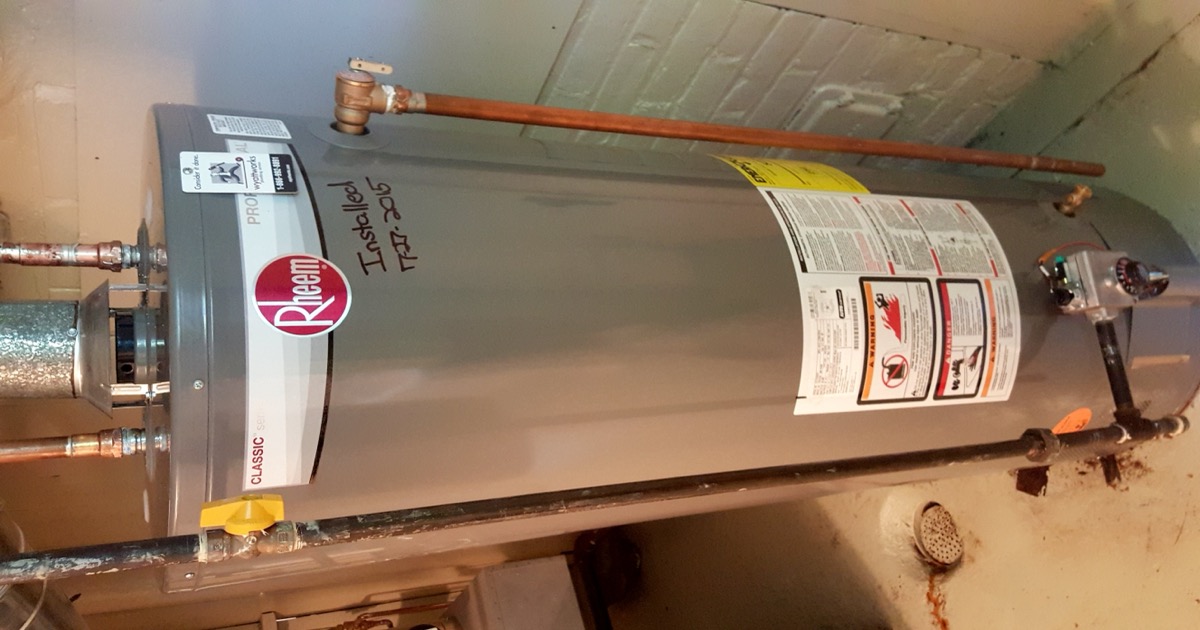
A water softener is not just an appliance purchase, it is a protective investment for everything in your home that touches water. The US Department of Energy and independent research consistently show that water heaters operating on hard water lose significant efficiency compared to those running on softened water, with scale accumulation as the primary culprit. The same applies to dishwashers, washing machines, and coffee makers.
Beyond appliances, softened water typically reduces soap and detergent consumption by 50-75%, because soft water lathers properly and rinses completely without the mineral interference that requires extra product. Over a year, the detergent savings alone are measurable.
Homeowners in Los Angeles who have switched to softened water frequently report that their plumbing fixtures look cleaner with less effort, their water heaters last longer, and their clothes retain their color and softness significantly better.
A professional water softener installation begins with a water test, not an estimate based on city averages, but an actual measurement of your home's hardness, iron content, pH, and TDS. This data drives the system selection and sizing.
The installation itself involves placing the softener unit and brine tank, connecting to the main supply line, running a drain line for regeneration discharge, and configuring the regeneration schedule based on your household's water usage patterns. Most residential installations are completed in a single visit.
Post-installation, your technician will walk you through the salt type to use, how often to check levels, and what to watch for. Quality installations come with follow-up support to ensure the system is performing optimally.
Water₂O provides complimentary in-home water testing and consultations throughout Los Angeles, Ventura, Orange, and Riverside Counties. There is no obligation, we will test your water, show you the results, and recommend options that fit your home and family. If a water softener is the right solution, we will size it correctly from day one.
Water₂O offers free, no-obligation water testing throughout Los Angeles, Ventura, Orange, and Riverside Counties.
Schedule a Free Water Test