Diagnostic
Before investing in any filtration system, know exactly what is in your water. Here is what professional water testing in Los Angeles measures and why it matters.
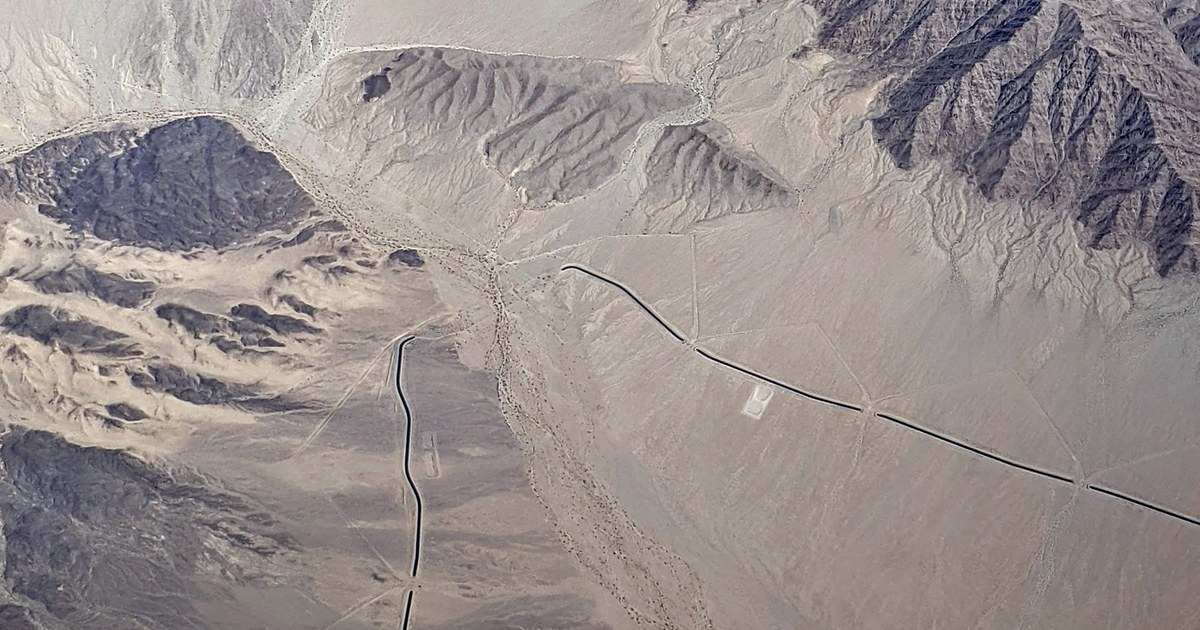
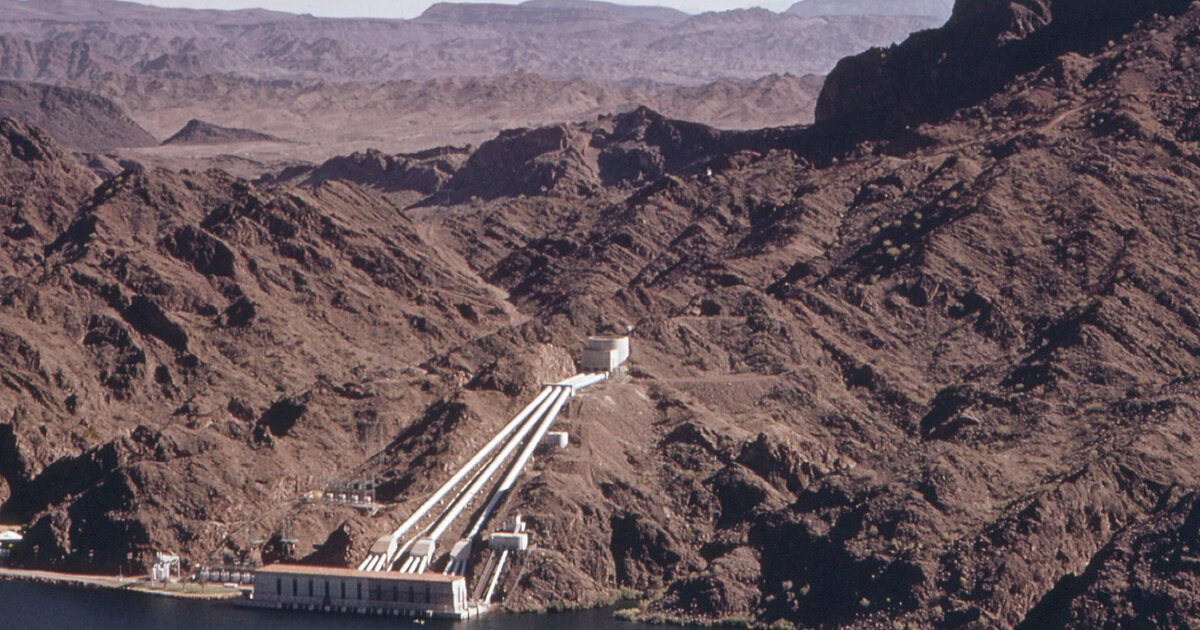
Every water treatment decision should start with data, not assumptions. Los Angeles tap water varies significantly by neighborhood, the water supplied to homes in Pasadena comes from different source blends than homes in Santa Monica or the San Fernando Valley. Seasonal variation adds another layer: MWD adjusts the mix of Colorado River and State Water Project sources throughout the year, and the mineral and chemical profile of your water shifts accordingly.
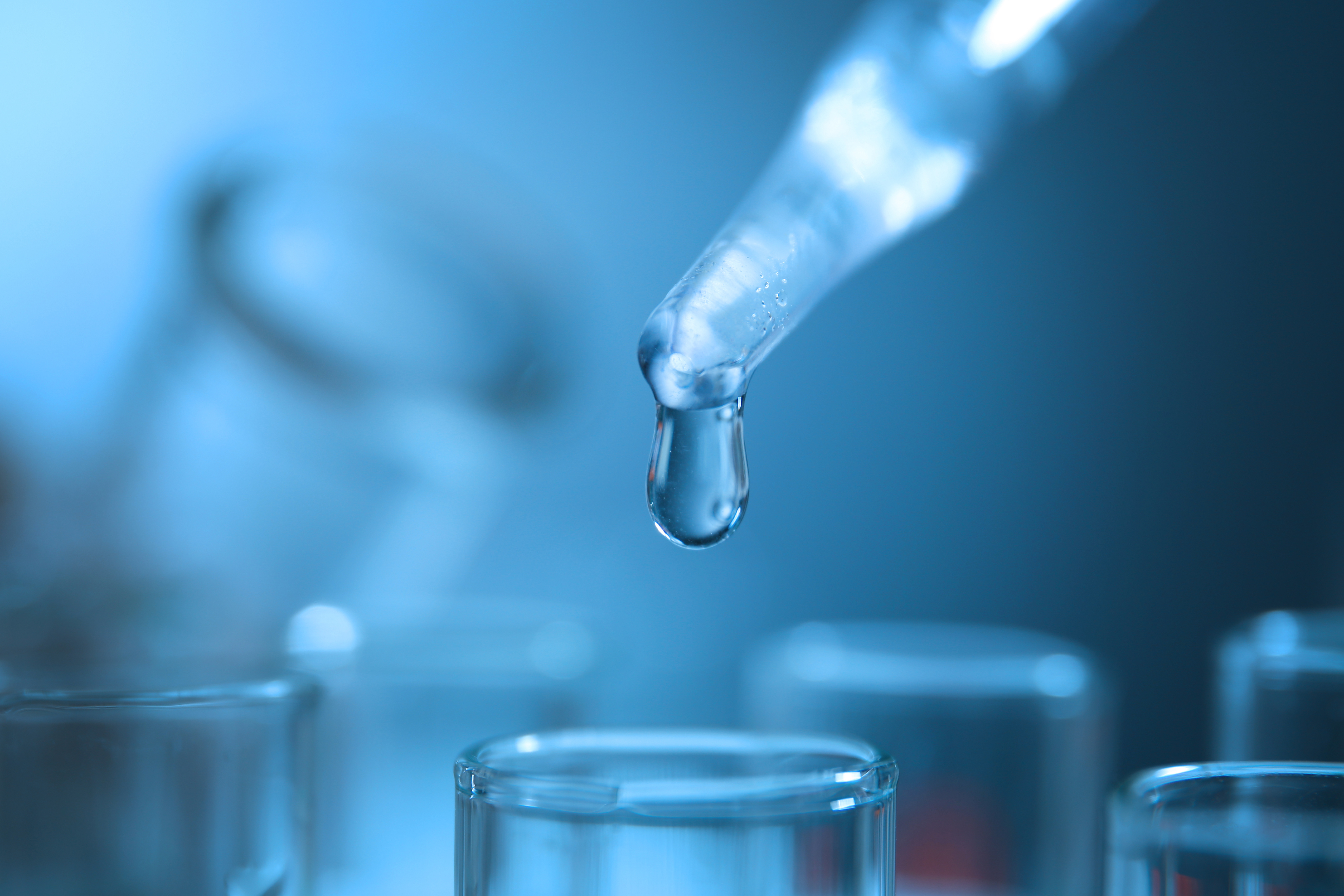
Testing your actual water, not relying on city-wide averages or MWD annual reports, gives you accurate, current information about what you are dealing with. It prevents over-treating for problems that do not exist and ensures that any filtration investment addresses the contaminants that are actually present at detectable levels in your home.
A comprehensive residential water test covers the parameters most relevant to health, appliance protection, and water quality in the Southern California context:
Total Hardness: Measured in grains per gallon (GPG) or milligrams per liter. This is the concentration of calcium and magnesium ions. Los Angeles water typically tests between 10 and 25 GPG, solidly in the "hard" to "very hard" range. This single measurement determines whether a softener is warranted and, if so, how to size it correctly.
Total Dissolved Solids (TDS): The aggregate measurement of all dissolved substances in the water. LA tap water typically measures 300-600 mg/L. High TDS correlates with flat taste, scale accumulation, and reduced effectiveness of soaps and detergents. TDS above 500 mg/L is generally considered undesirable for drinking.
Chlorine and Chloramines: MWD uses chloramines (a combination of chlorine and ammonia) as the primary disinfectant, rather than free chlorine alone. Chloramines are harder to remove than chlorine, they require catalytic carbon filtration rather than standard activated carbon. Testing distinguishes between the two, which directly informs filter media selection.
pH: LA water is typically slightly alkaline (pH 7.5-8.5), but pH can vary. Acidic water (below 7.0) is corrosive to copper plumbing and can leach metals into drinking water. Highly alkaline water contributes to scale formation. pH informs both softener and filter system design.
Iron: Even at low concentrations, dissolved iron causes orange staining on fixtures and laundry and contributes a metallic taste to water. Iron testing determines whether a standard softener will suffice or whether a dedicated iron removal media is warranted.
Manganese: Often present alongside iron in some LA service areas. Black staining on fixtures and a metallic taste are the telltale signs. Like iron, even trace amounts are enough to warrant treatment.
Nitrates: More relevant in areas with agricultural runoff or older plumbing infrastructure. The EPA maximum contaminant level for nitrates is 10 mg/L; levels above this require treatment and are particularly concerning for households with infants.
A standard residential water test covers the parameters most relevant to everyday water quality and treatment decisions. It is not a comprehensive laboratory analysis testing for hundreds of potential contaminants. For specific concerns, PFAS compounds, lead from service lines in older homes, or specific industrial contaminants in a particular area, a more targeted laboratory analysis may be appropriate. Your water treatment technician can help you identify whether additional testing is warranted based on your home's age, location, and any specific concerns you have.
Water₂O provides complimentary water testing at your home throughout Los Angeles, Ventura, Orange, and Riverside Counties. Our certified technicians arrive with professional testing equipment, conduct the test on-site, and walk you through the results in plain language the same day. You will know exactly what is in your water before any conversation about treatment options begins.
There is no cost and no obligation. Schedule a free water test and get the data you need to make a confident decision about your home's water quality.
Water₂O offers free, no-obligation water testing throughout Los Angeles, Ventura, Orange, and Riverside Counties.
Schedule a Free Water Test